Rwenzori Mountains National Park is home to Africa’s legendary “Mountains of the Moon,” offering some of the continent’s most dramatic alpine landscapes, glacial peaks, and challenging hiking trails. A UNESCO World Heritage Site, it’s a paradise for trekkers, climbers, and nature lovers seeking raw, untouched beauty. Here is everything you need to know about Rwenzori Mountains National Park:
Location and Size
Location: Rwenzori Mountains National Park is located in western Uganda, straddling the districts of Kasese, Bundibugyo, and Ntoroko, near the border with the Democratic Republic of Congo.
Size: The park covers approximately 998 square kilometers (385 square miles), encompassing most of the Rwenzori mountain range.
History and Establishment
Founded: The park was gazetted in 1991 and later declared a UNESCO World Heritage Site in 1994 because of its extraordinary natural beauty and biodiversity.
Historical Significance: The Rwenzori Mountains have been shrouded in legend for centuries, described by ancient geographers like Ptolemy as the source of the Nile River — earning the name “Mountains of the Moon.”
Landscape and Terrain
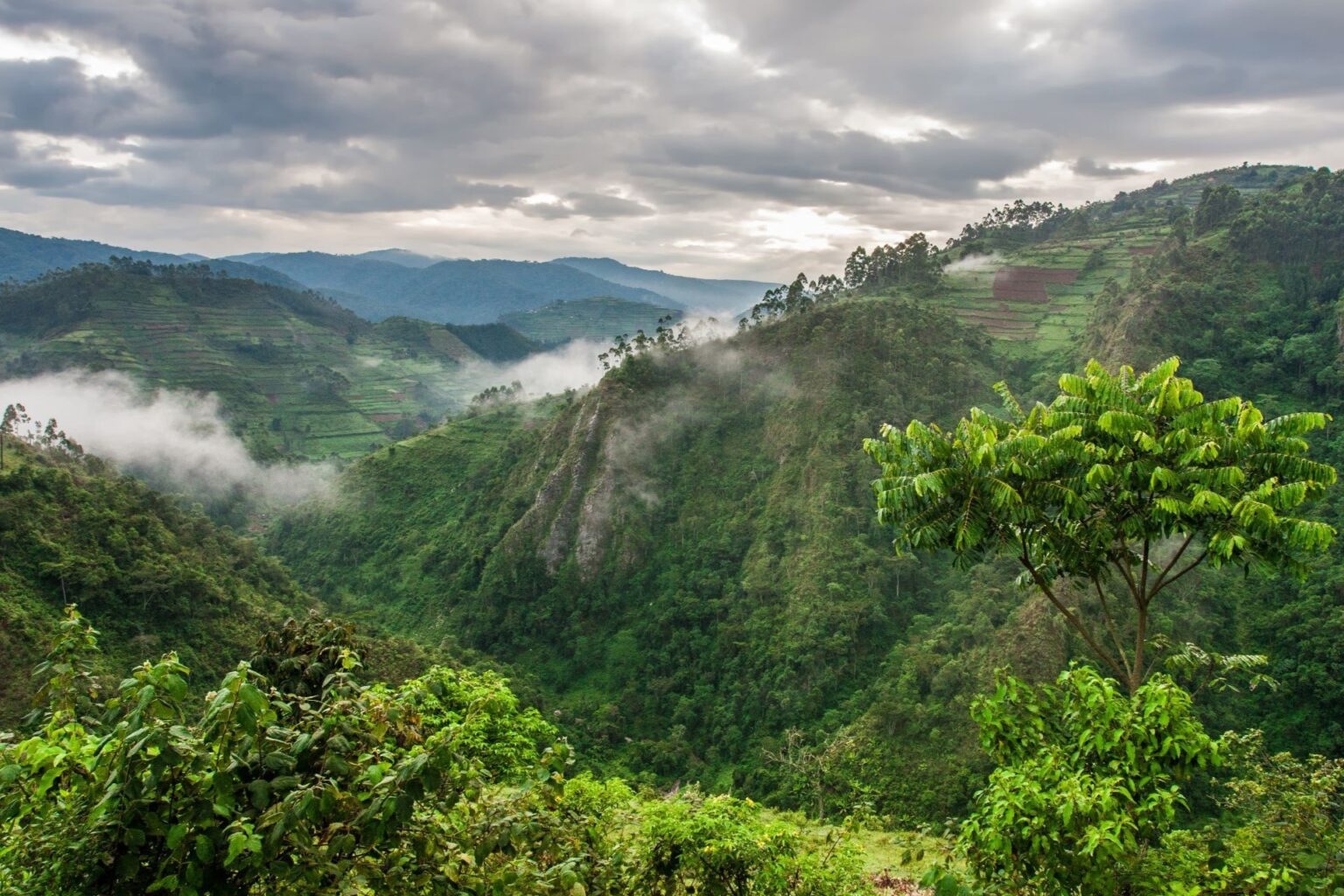
Topography: The Rwenzori range is known for its rugged terrain, towering peaks, deep valleys, glaciers, waterfalls, and fast-flowing rivers.
Highest Peak: Margherita Peak on Mount Stanley, the third-highest mountain in Africa, reaches 5,109 meters (16,762 feet) above sea level.
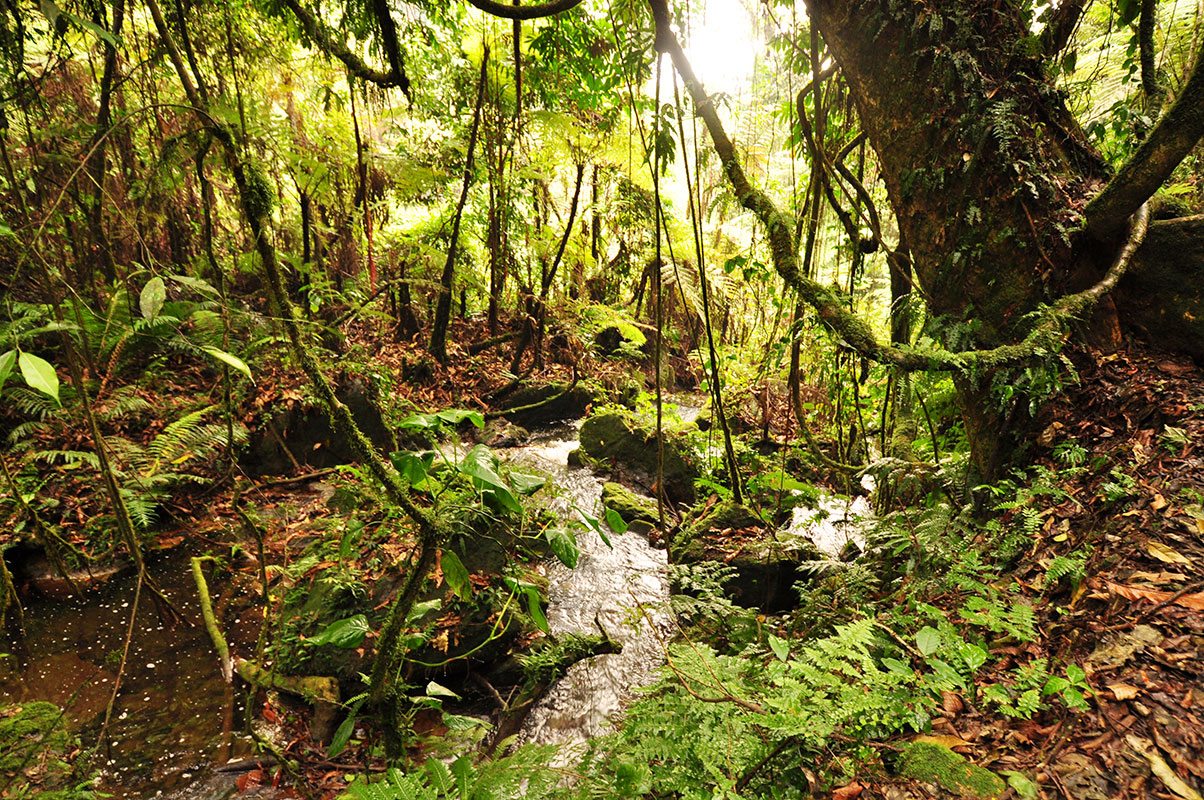
Vegetation Zones: The park features a stunning variety of vegetation zones, including tropical rainforest, bamboo forests, giant heather, alpine meadows, and glacial ice fields.
Climate: The Rwenzoris experience heavy rainfall throughout the year, making the trails muddy and challenging. The best weather is during the dry seasons, but conditions can change rapidly.
Wildlife
While Rwenzori is famed for its mountains, it also boasts impressive biodiversity.
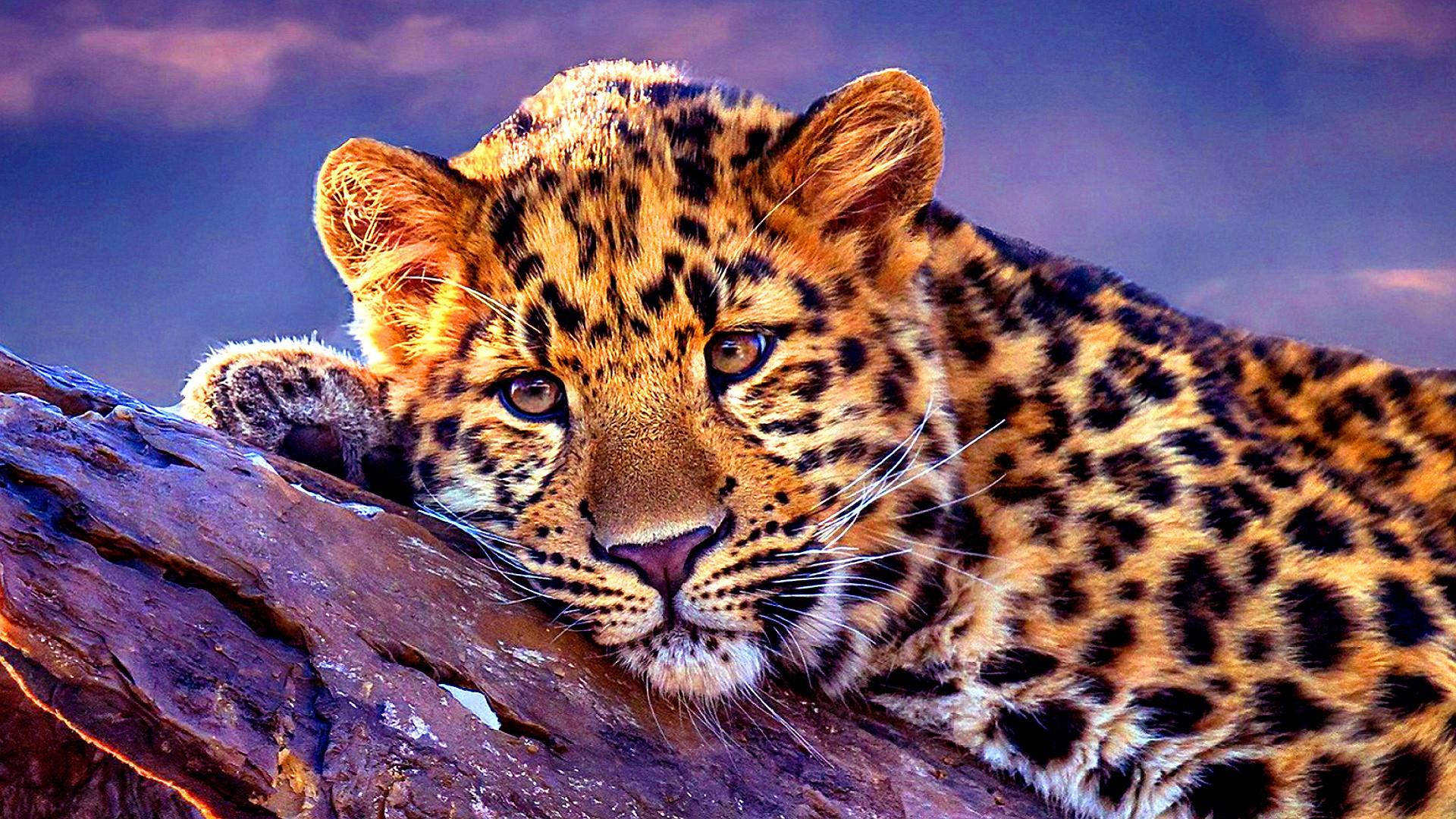
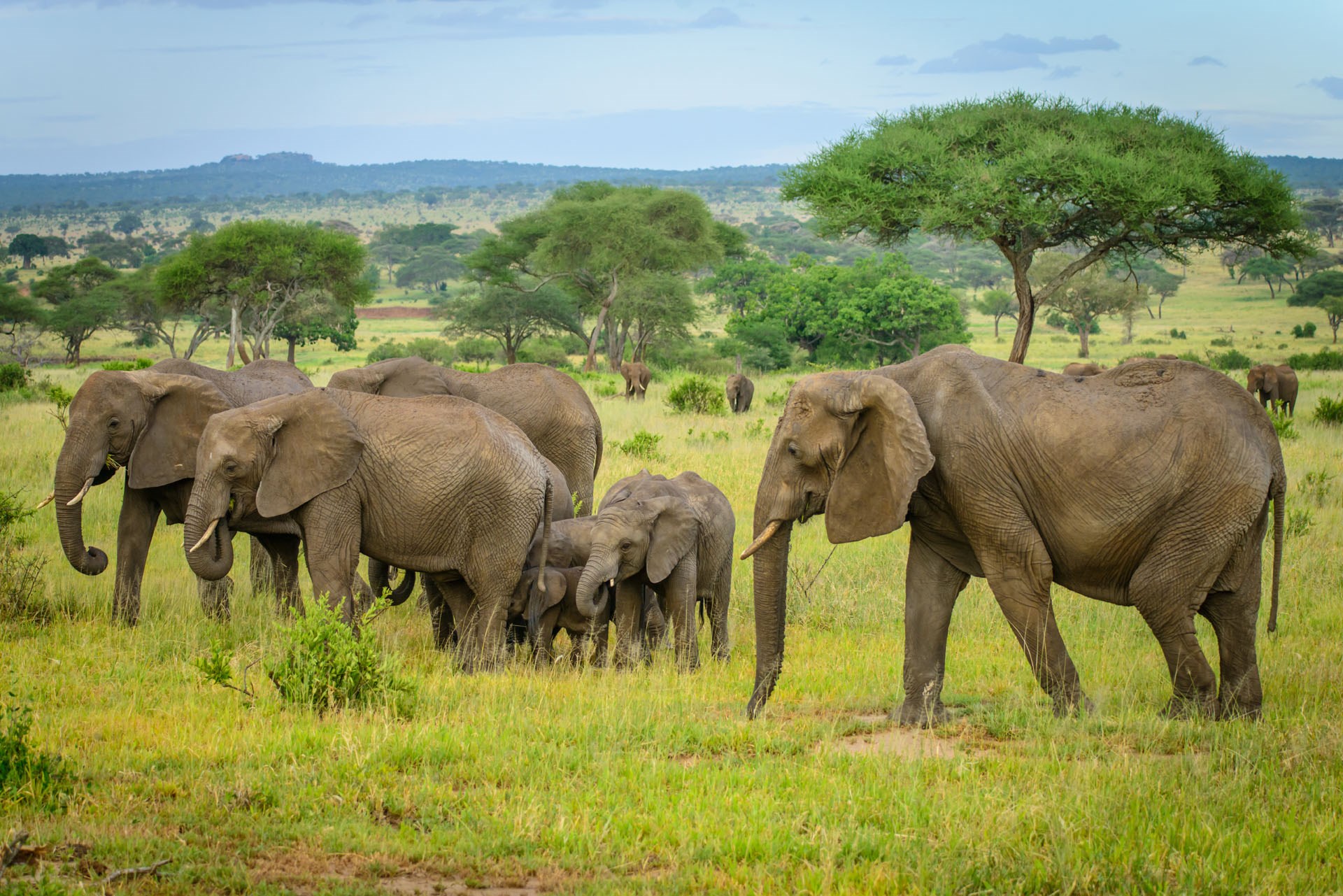
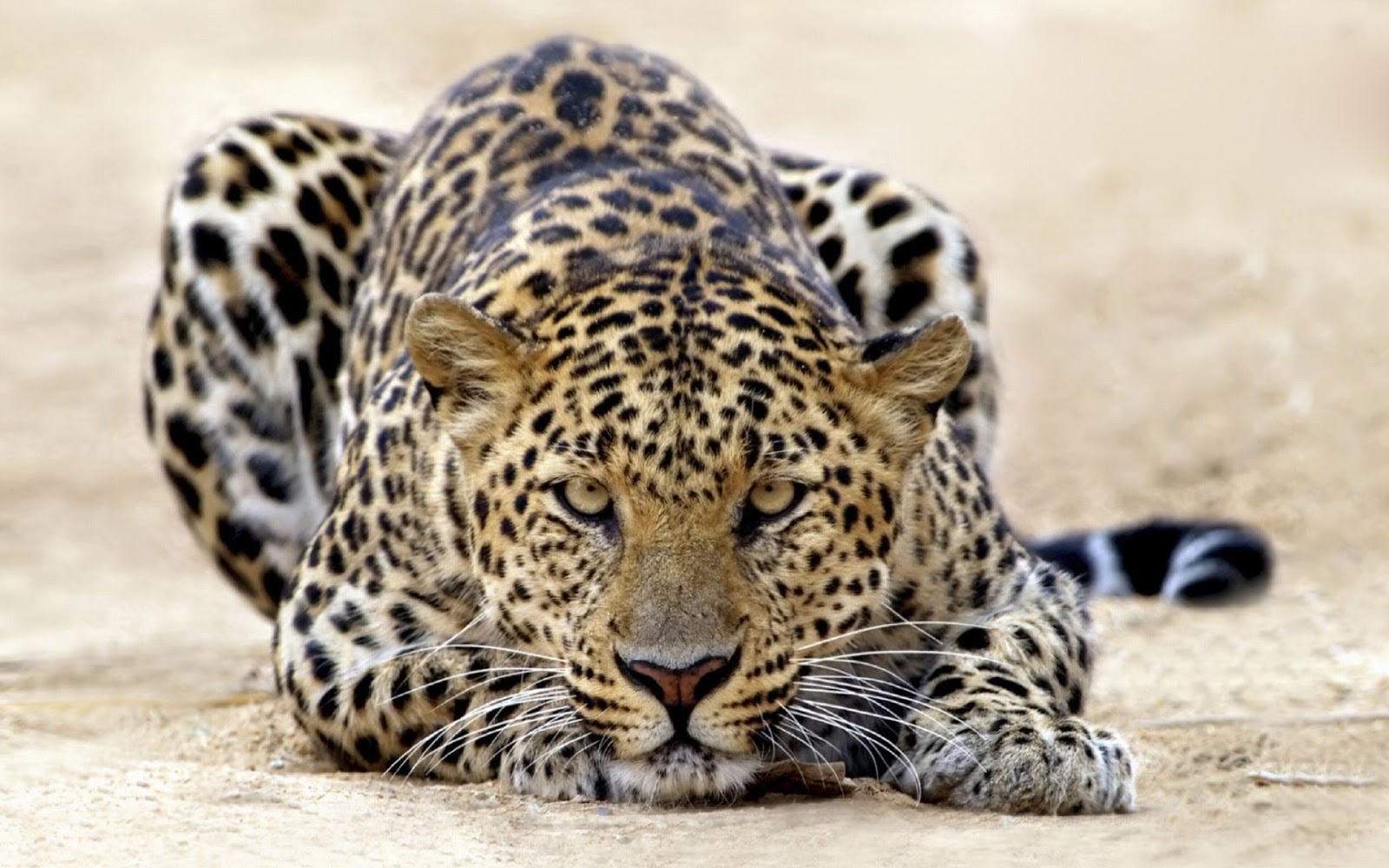
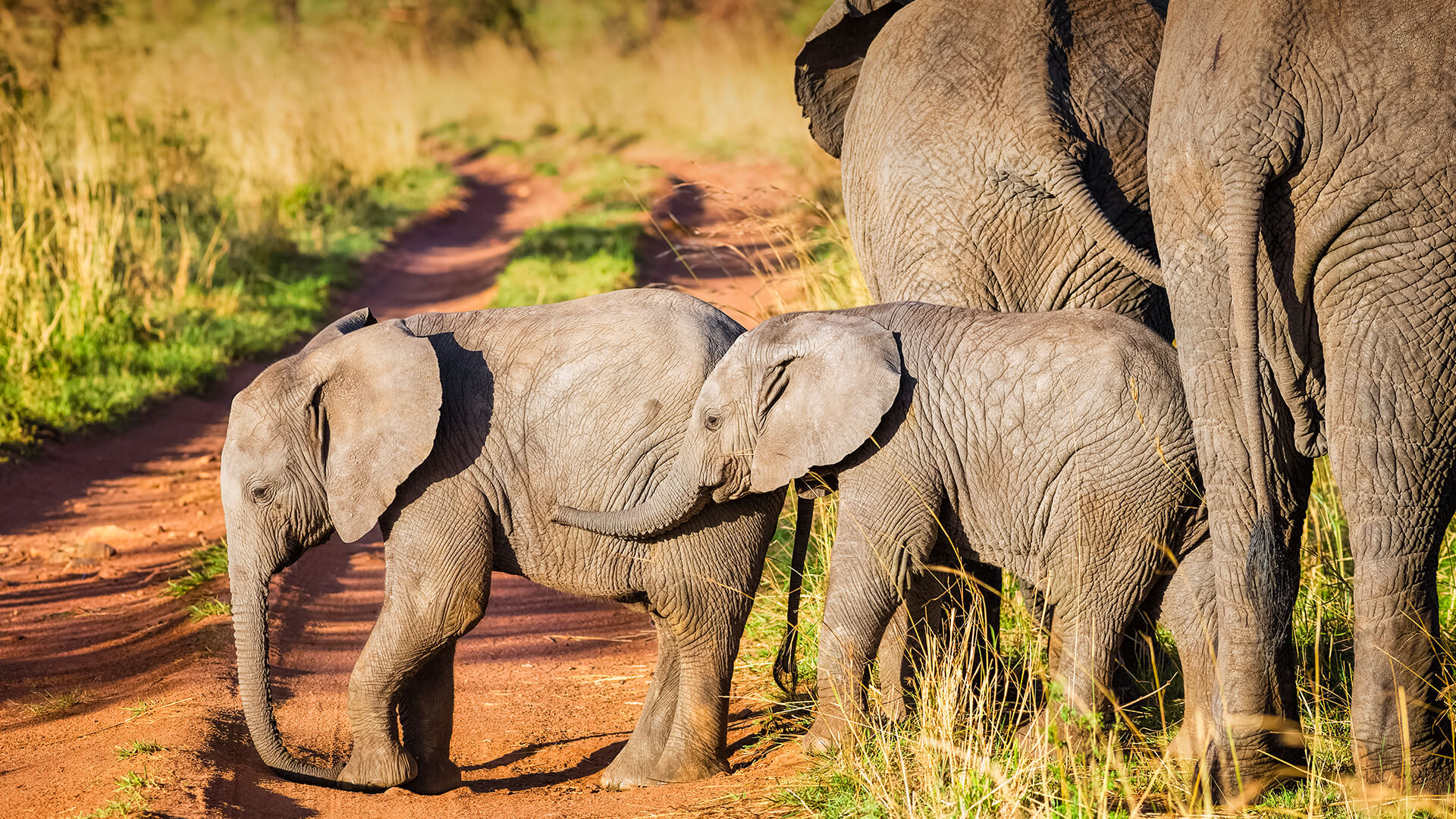
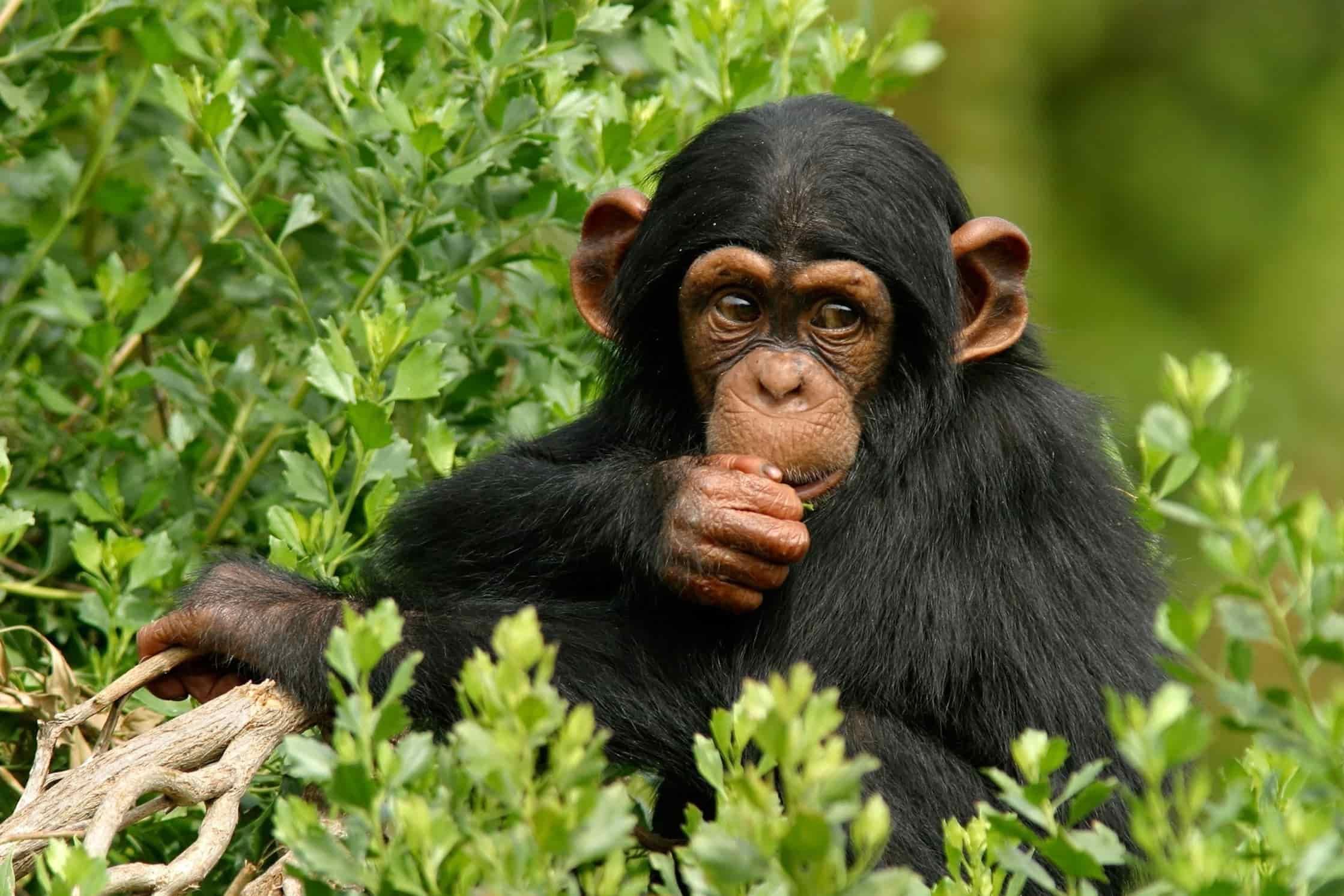
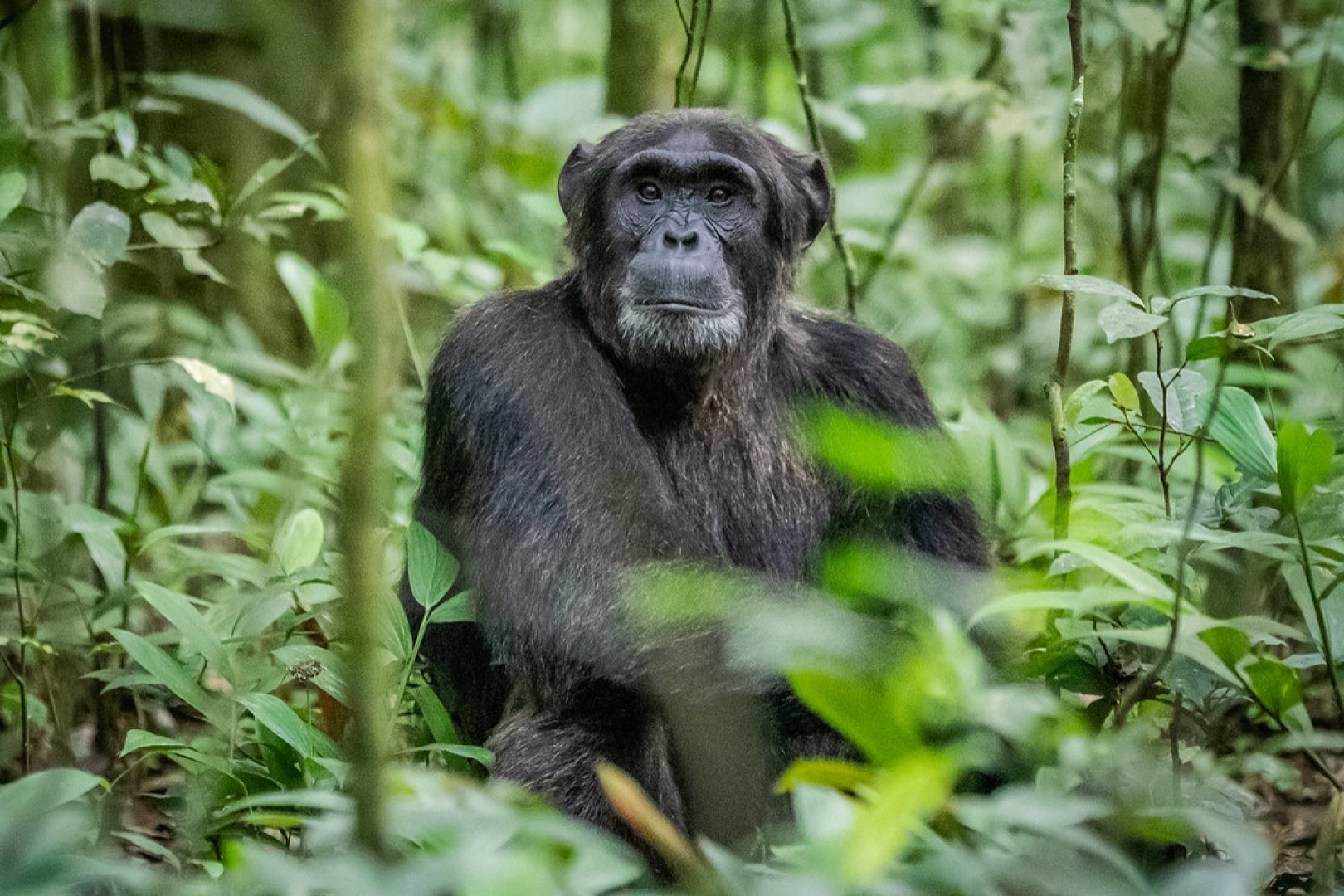
Mammals: The park is home to 70 species of mammals, including forest elephants, chimpanzees, Rwenzori otters, duikers, bushbucks, and leopards (though sightings are rare).
Primates: Blue monkeys, black-and-white colobus monkeys, and L’Hoest’s monkeys can be spotted in the lower forest zones.
Birdlife: The park is a birdwatcher’s dream with over 217 recorded bird species, including Albertine Rift endemics like the Rwenzori turaco, Rwenzori batis, and handsome francolin.
Unique Flora: The Rwenzoris are known for their dramatic, oversized plant species such as giant lobelias, groundsel, and heather trees, especially in the Afro-alpine zone.
Attractions
Mountain Climbing: Summiting Margherita Peak is a bucket-list adventure for experienced mountaineers.
Rwenzori Trekking: The famous Central Circuit Trail offers a 7–10 day trek through stunning landscapes, leading trekkers through every vegetation zone.
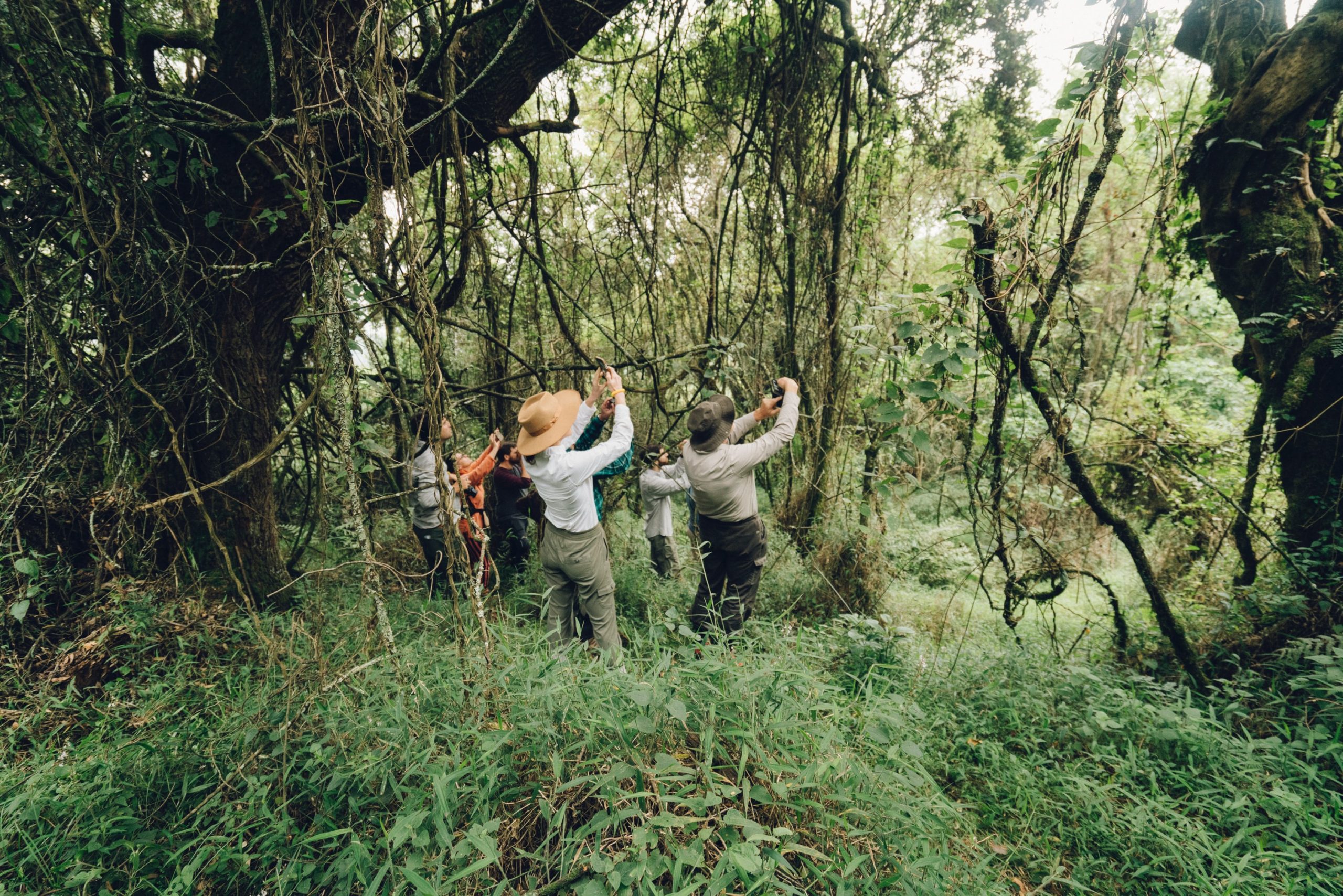
Nature Walks: Shorter walks around the park’s foothills and lower forest areas provide rich experiences for less experienced hikers.
Cultural Encounters: Visit the local Bakonjo people, who live around the base of the mountains, to learn about traditional life and mountain legends.
Activities
High Altitude Mountaineering: Ascend to the snowy peaks of Mount Stanley, Mount Speke, and Mount Baker. Technical climbing equipment and experienced guides are essential.
Trekking Expeditions: Explore multi-day treks like the Central Circuit or Kilembe Trail, offering varied scenery from tropical forests to glaciers.
Nature and Birding Walks: Enjoy guided hikes along the forested foothills to spot birds, monkeys, and vibrant flora.
Cultural Tours: Participate in cultural dances, visit local farms, or explore traditional healing practices with the Bakonjo people.
Accommodation
Luxury and Mid-Range Lodges:
- Equator Snow Lodge
- Rwenzori Turaco View Campsite and Lodge
- Sandton Hotel Kasese (in Kasese town)
Mountain Huts and Camps: For trekkers, there are basic huts and campsites along the Central Circuit and Kilembe Trail managed by Rwenzori Trekking Services and Rwenzori Mountaineering Services.
How to Get There
By Road: Rwenzori Mountains National Park is about a 5–6 hour drive (approximately 400 kilometers) from Kampala via Fort Portal or Mbarara.
By Air: Domestic flights are available from Entebbe International Airport to Kasese Airstrip, which is a short drive from the park headquarters.
Best Time to Visit
Dry Seasons (December to February and June to August): These are the best times for trekking and climbing, as trails are less slippery and mountain views are clearer.
Rainy Seasons (March to May and September to November): Trekking is possible but more challenging due to muddy trails and poor visibility.
Conservation and Challenges
Rwenzori Mountains National Park faces environmental threats like glacial melting due to climate change, human encroachment, and poaching. Conservation efforts led by the Uganda Wildlife Authority (UWA) and international partners focus on habitat preservation, sustainable tourism, and community engagement.
Conclusion
Rwenzori Mountains National Park offers one of Africa’s most breathtaking wilderness experiences. Whether you seek the thrill of summiting a glaciated peak or prefer hiking through misty forests and bizarre alpine landscapes, Rwenzori promises adventure, beauty, and a deep connection with one of Earth’s most remarkable mountain ecosystems.