Gombe National Park is one of Tanzania’s most iconic and intimate wildlife destinations, world-famous for its chimpanzee population and the groundbreaking research of Dr. Jane Goodall. Despite its small size, Gombe offers a unique and deeply personal safari experience. Here is everything you need to know about Gombe National Park:
Location and Size
Location: Gombe National Park is located in western Tanzania, along the eastern shore of Lake Tanganyika, near the town of Kigoma.
Size: The park is relatively small, covering just 52 square kilometers (20 square miles), but it is densely packed with lush forests, steep valleys, and rich biodiversity.
History and Establishment
Founded: Gombe National Park was officially established in 1968, primarily to protect its endangered chimpanzee population.
Historical Significance: Gombe gained international fame through the pioneering work of Dr. Jane Goodall, who began her chimpanzee research here in 1960. Her studies revolutionized our understanding of primates and human evolution.
Landscape and Terrain
Topography: Gombe is a mountainous, rugged park characterized by steep slopes, river valleys, and dense tropical forests, interspersed with open woodlands and grasslands.
Lake Tanganyika: The park’s western boundary is formed by the shores of Lake Tanganyika, one of the world’s oldest and deepest freshwater lakes, offering stunning scenery and additional wildlife viewing opportunities.
Climate: Gombe has a tropical climate with a distinct wet season (November to April) and dry season (May to October). The wet season can make trekking more challenging but offers lush landscapes.
Wildlife
Gombe’s main attraction is its chimpanzees, but the park is home to a variety of other wildlife species as well.
Chimpanzees: Gombe is one of the best places in the world to observe wild chimpanzees in their natural habitat. Several groups are habituated to human presence, allowing for close encounters during treks.
Other Primates: The park is also home to olive baboons, red colobus monkeys, red-tailed monkeys, and vervet monkeys.
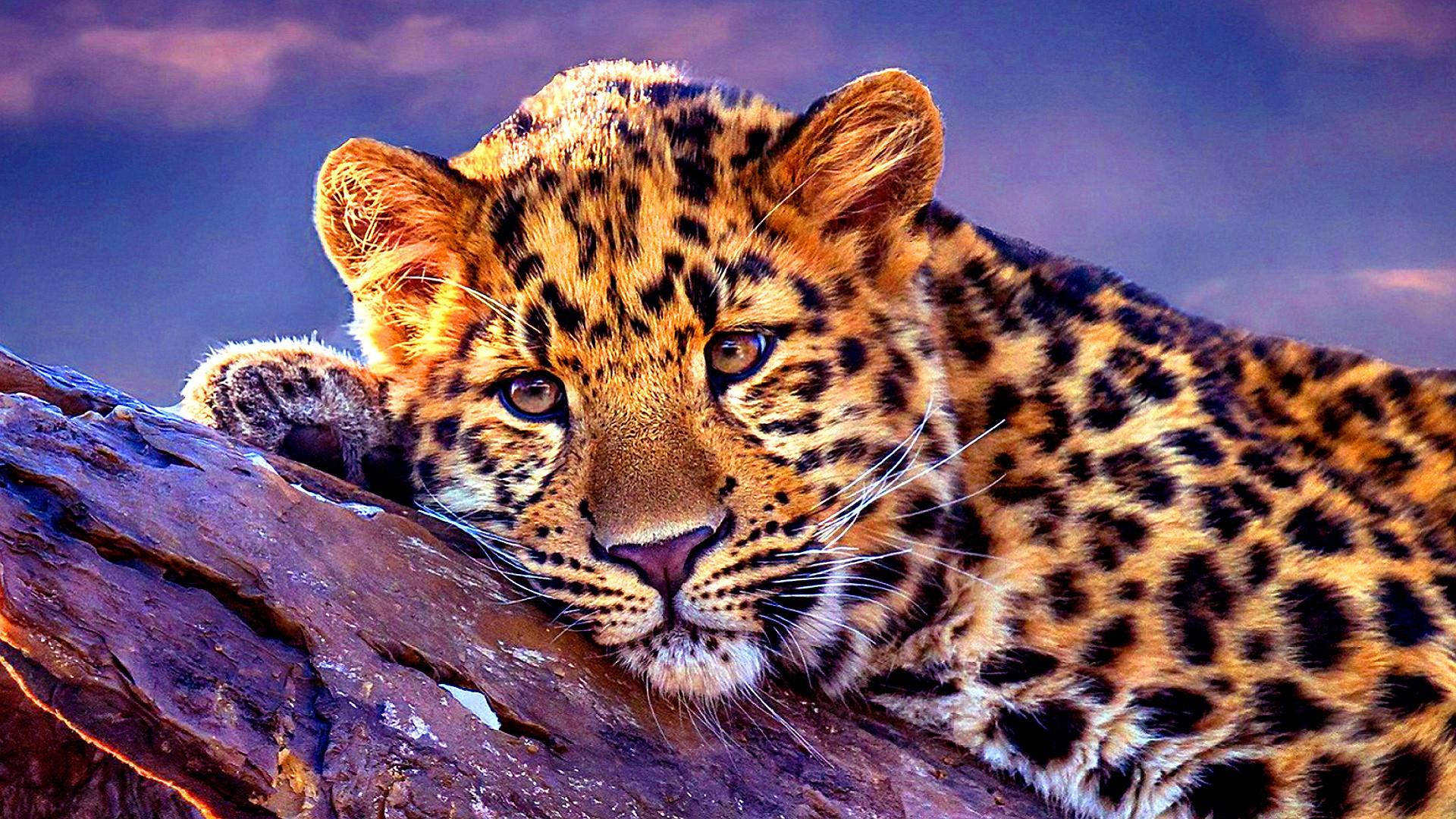
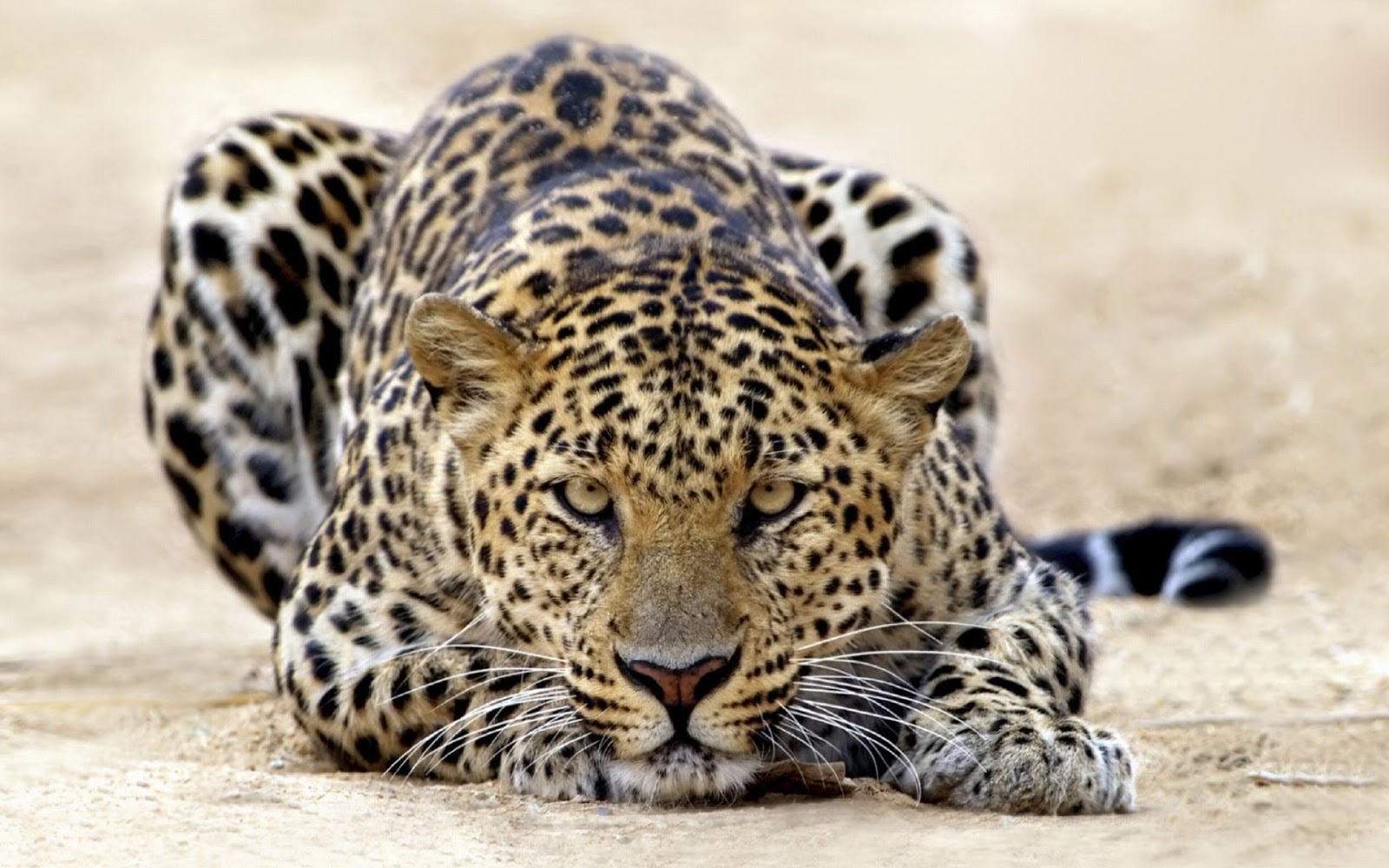
Other Wildlife: Although large mammals are rare, visitors might encounter bushpigs, small antelopes, and occasionally leopards.
Birdlife: Gombe boasts over 200 bird species, including African fish eagles, crowned hornbills, and the colorful Peter’s twinspot.
Attractions
Chimpanzee Trekking: The highlight of a visit to Gombe, allowing visitors to follow and observe these intelligent primates as they go about their daily lives.
Lake Tanganyika: Swimming, snorkeling, and kayaking in the clear waters of Lake Tanganyika offer a refreshing complement to forest trekking.
Jane Goodall’s Research Center: While access to research areas is limited, visitors can learn about the ongoing scientific studies and conservation efforts.
Waterfalls: The park’s hiking trails lead to beautiful waterfalls like Kakombe Waterfall, a great spot for photos and relaxation after a chimp trek.
Activities
Chimpanzee Tracking: Guided hikes take you into the forests to track and observe chimpanzee families. Tracking can take anywhere from 30 minutes to several hours, depending on the chimpanzees’ movements.
Hiking: Beyond chimpanzee trekking, Gombe offers scenic hiking trails through its rugged hills and along its rivers.
Bird Watching: The park’s dense forests and lakeshore habitats make it excellent for spotting a variety of bird species.
Swimming and Snorkeling: The crystal-clear waters of Lake Tanganyika are perfect for swimming and discovering colorful fish species.
Accommodation
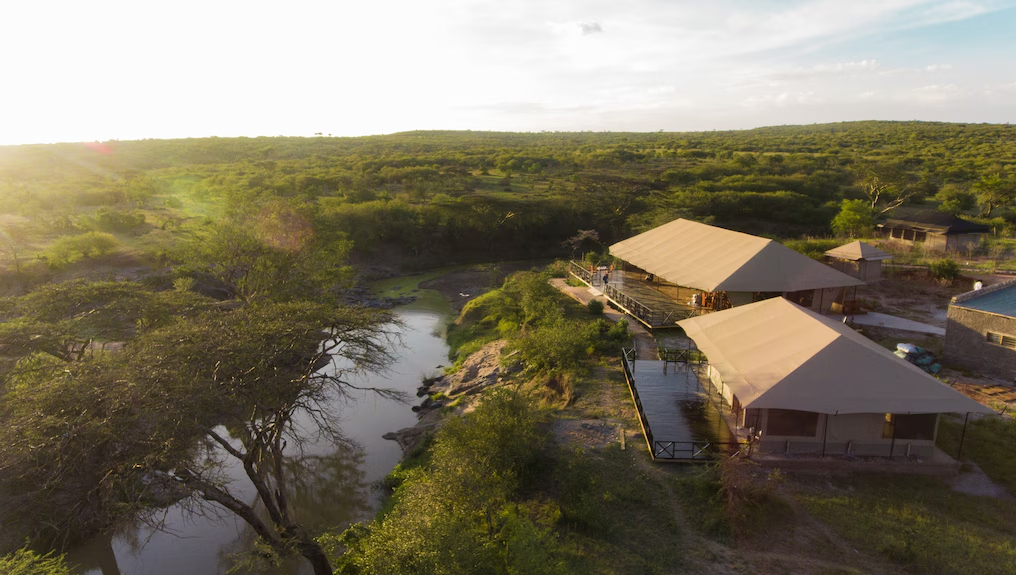
Gombe Forest Lodge: A luxury tented camp offering comfortable accommodation in the heart of the park, with stunning views over Lake Tanganyika.
Budget Options: There are also basic government-run bandas and campsites near the park headquarters for travelers looking for more affordable accommodation.
Kigoma Town: Some visitors opt to stay in Kigoma and make day trips to the park.
How to Get There
By Air: The easiest way to reach Gombe is to fly from Dar es Salaam to Kigoma Airport.
By Boat: From Kigoma, it’s about a 1- to 2-hour boat ride (depending on the type of boat) across Lake Tanganyika to the park. Private and public boats are available.
Best Time to Visit
Dry Season (July to October): The best time for chimpanzee trekking as trails are drier and chimps are easier to find.
Wet Season (November to April): The park is beautifully lush, and birdwatching is excellent, but trekking conditions can be tougher.
Conservation and Challenges
Gombe’s small size and proximity to human settlements pose conservation challenges, including habitat encroachment and disease transmission to chimpanzees. Conservation efforts led by the Jane Goodall Institute and TANAPA (Tanzania National Parks Authority) continue to focus on community engagement, research, and habitat protection to ensure the survival of Gombe’s primates.
Conclusion
Gombe National Park offers a truly unique and intimate safari experience, connecting visitors with our closest animal relatives in one of the most beautiful settings in Africa. Whether you’re following chimpanzees through the forest, hiking to waterfalls, or swimming in the crystal waters of Lake Tanganyika, Gombe promises an unforgettable adventure that touches the heart and soul.