Kibale National Park is often referred to as the “Primate Capital of the World” due to its incredible density and diversity of primates. Located in the heart of Uganda, this lush rainforest offers exceptional opportunities for chimpanzee tracking, bird watching, and nature walks. Here is everything you need to know about Kibale National Park:
Location and Size
Location: Kibale National Park is situated in western Uganda, spanning the districts of Kabarole, Kamwenge, Kyenjojo, and Fort Portal. It lies near the Ndali-Kasenda crater region and is close to Queen Elizabeth National Park, making it part of Uganda’s popular safari circuit.
Size: The park covers approximately 795 square kilometers (307 square miles), consisting mostly of tropical rainforest but also including patches of grassland and swamp.
History and Establishment
Founded: Kibale Forest was first gazetted as a forest reserve in 1932 and later upgraded to a national park in 1993 to protect its rich biodiversity, especially the chimpanzee population.
Historical Significance: The park is part of the Albertine Rift Valley ecosystem and plays a crucial role in connecting various protected areas, supporting wildlife migration and genetic diversity.
Landscape and Terrain
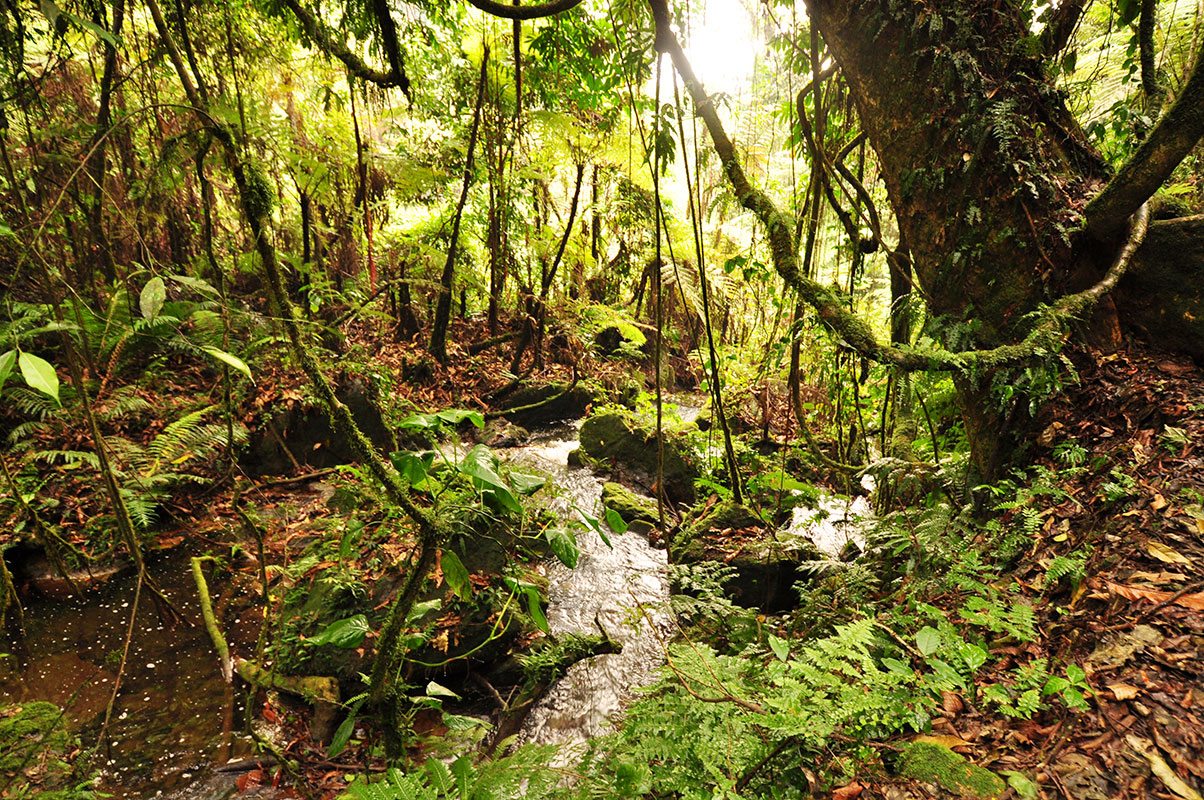
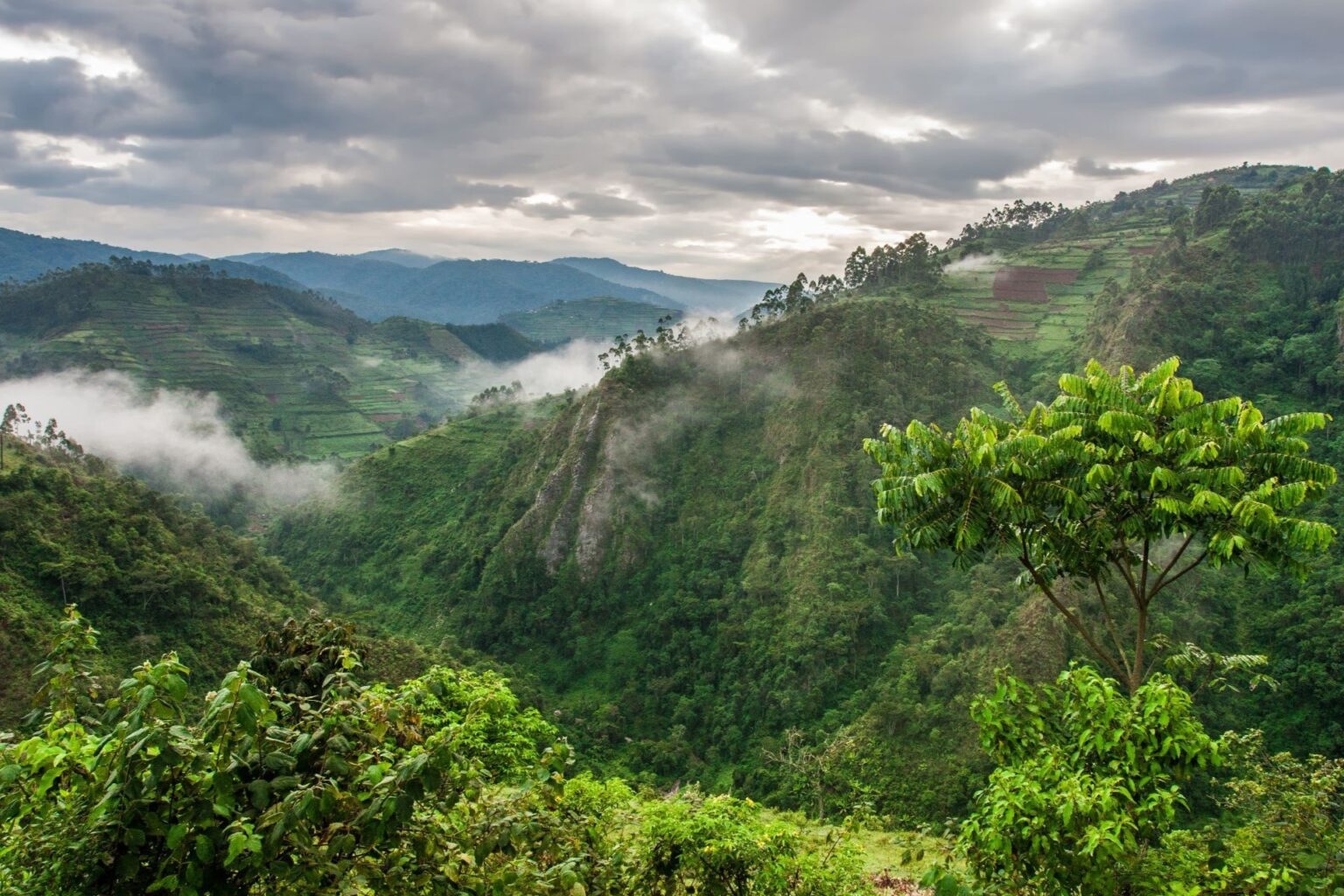
Topography: Kibale’s terrain varies from lowland tropical forest to montane forest at higher elevations. The landscape includes dense jungle, open grasslands, and papyrus swamps.
Vegetation: Kibale boasts one of Uganda’s last remaining expanses of pre-montane forest, featuring over 350 tree species, some towering over 50 meters in height.
Climate: The park has a warm and wet tropical climate, with two rainy seasons — March to May and September to November. The temperature ranges between 14°C (57°F) and 27°C (81°F).
Wildlife
Kibale National Park is celebrated for its rich biodiversity, particularly its primate population.
Primates:
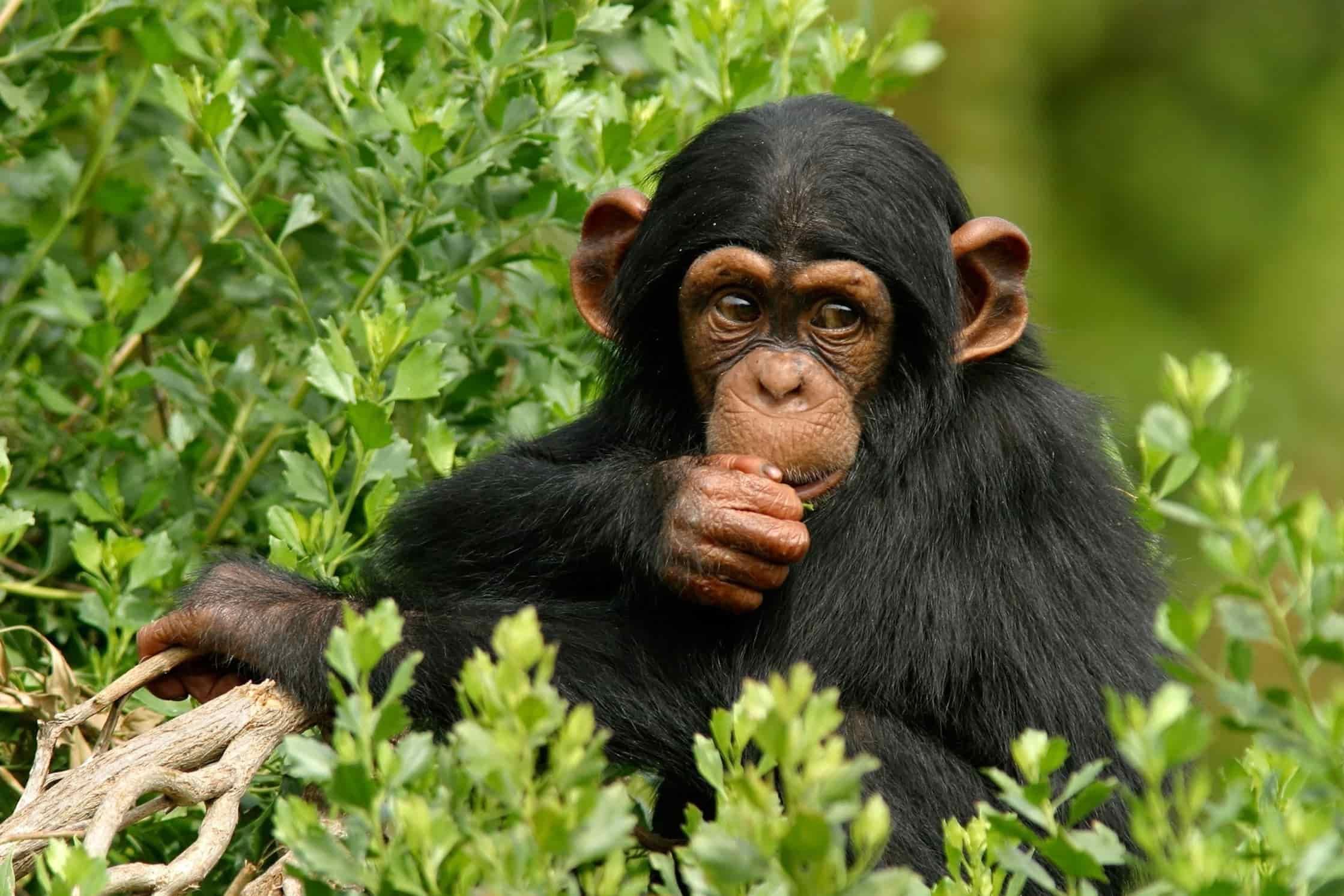
- Chimpanzees: The park is home to an estimated 1,500 chimpanzees, many of which are habituated for tourist tracking experiences.
- Other Primates: Visitors can encounter up to 13 different species, including black-and-white colobus monkeys, red colobus monkeys, L’Hoest’s monkeys, blue monkeys, grey-cheeked mangabeys, olive baboons, and bush babies.
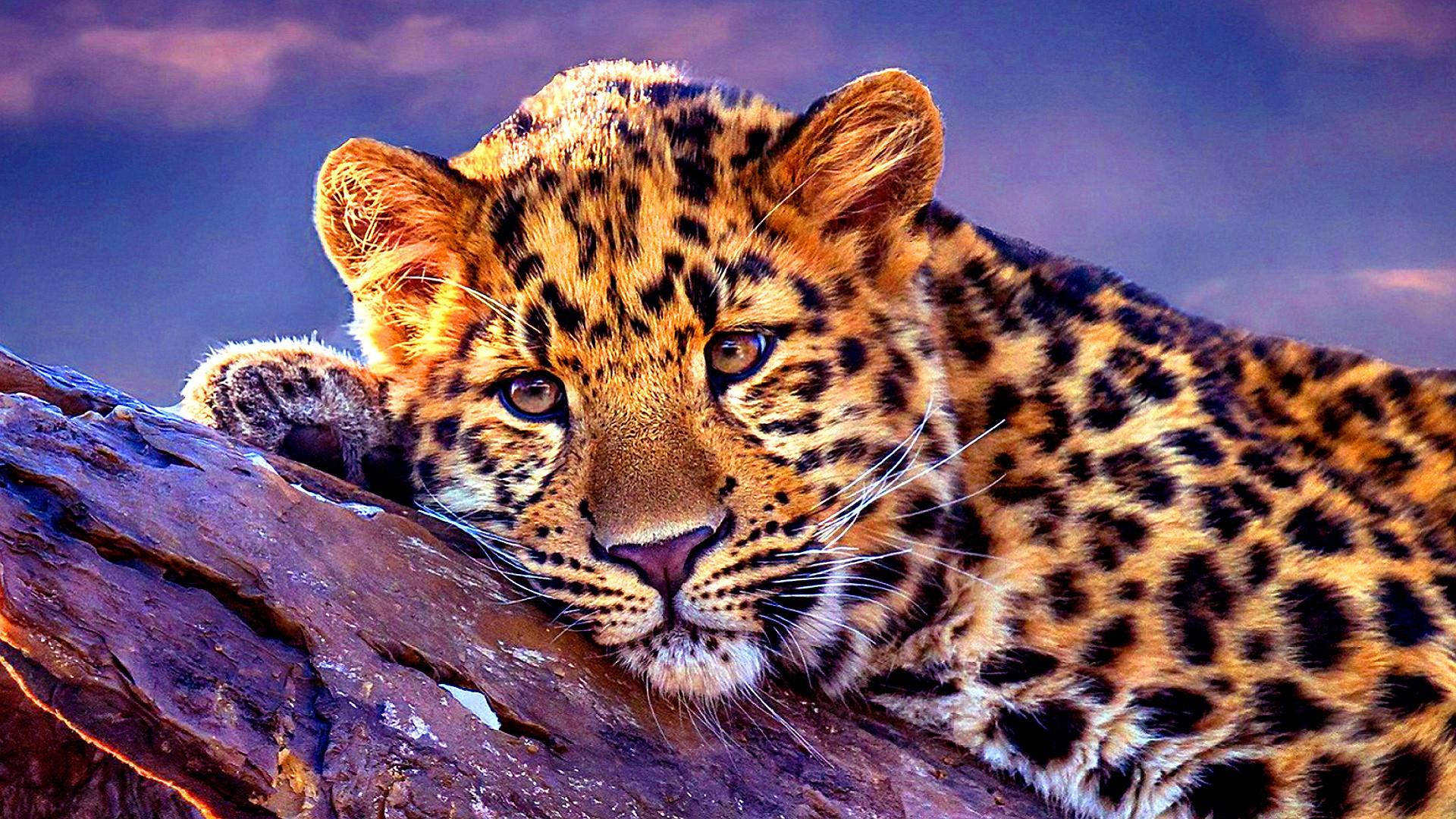
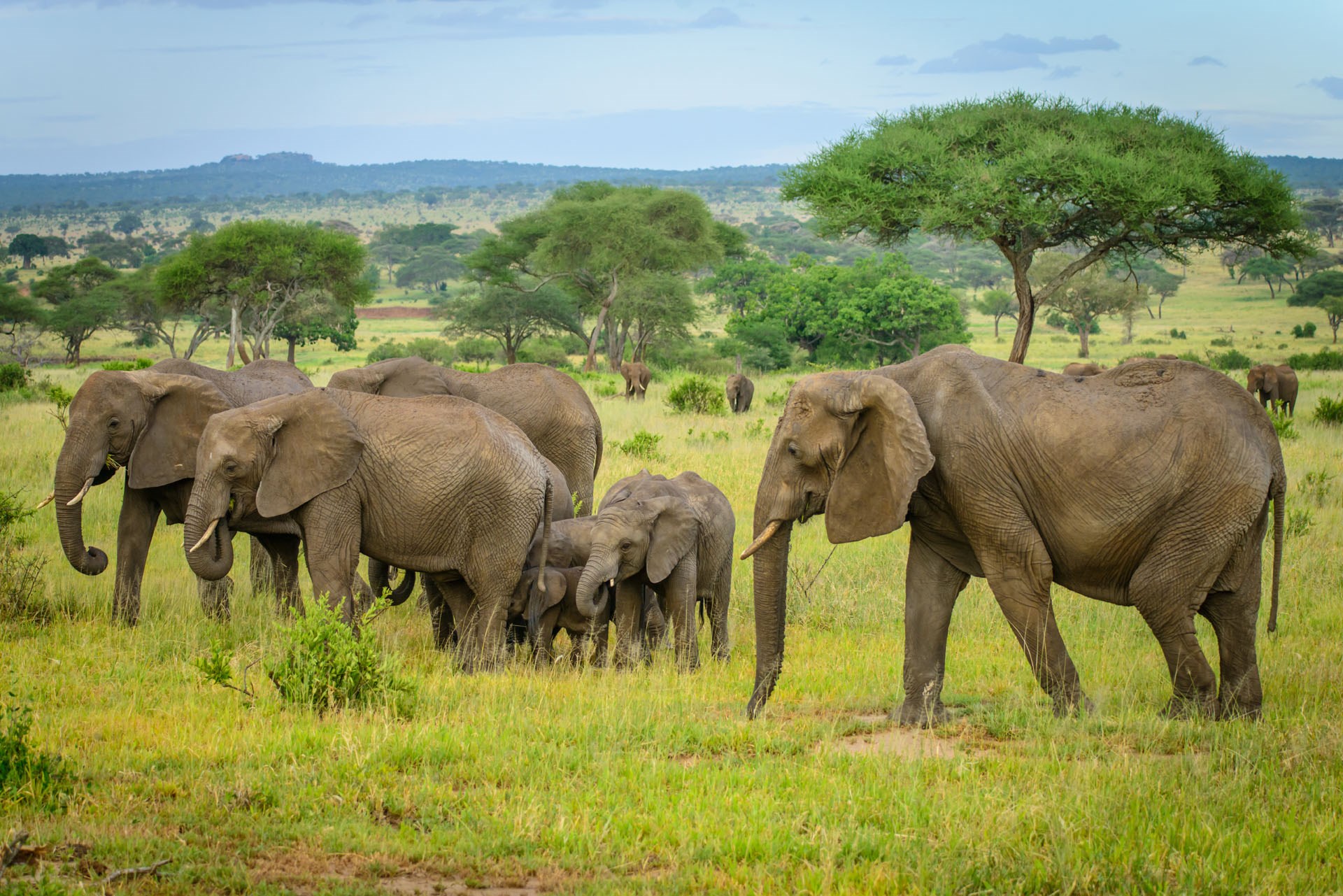
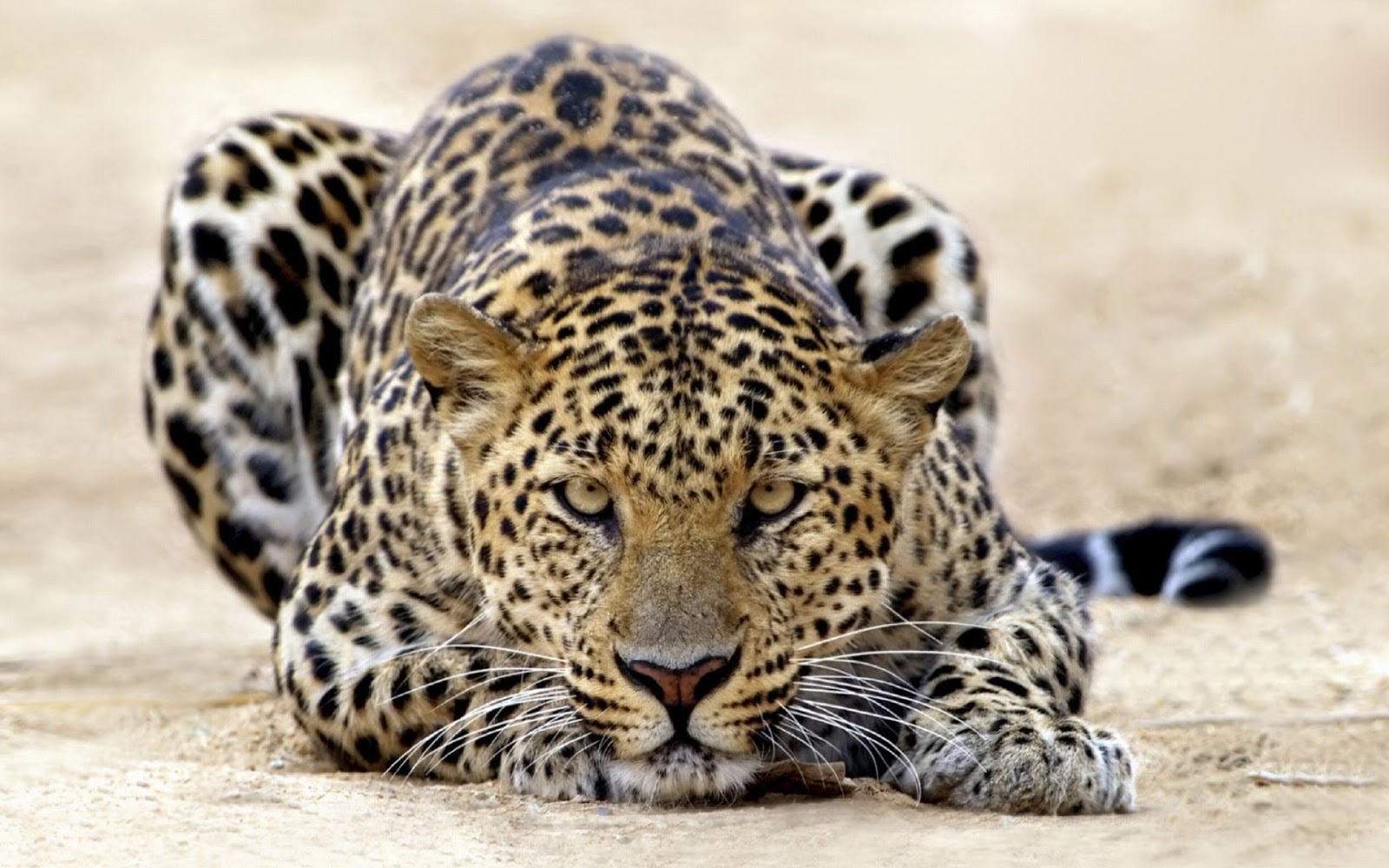
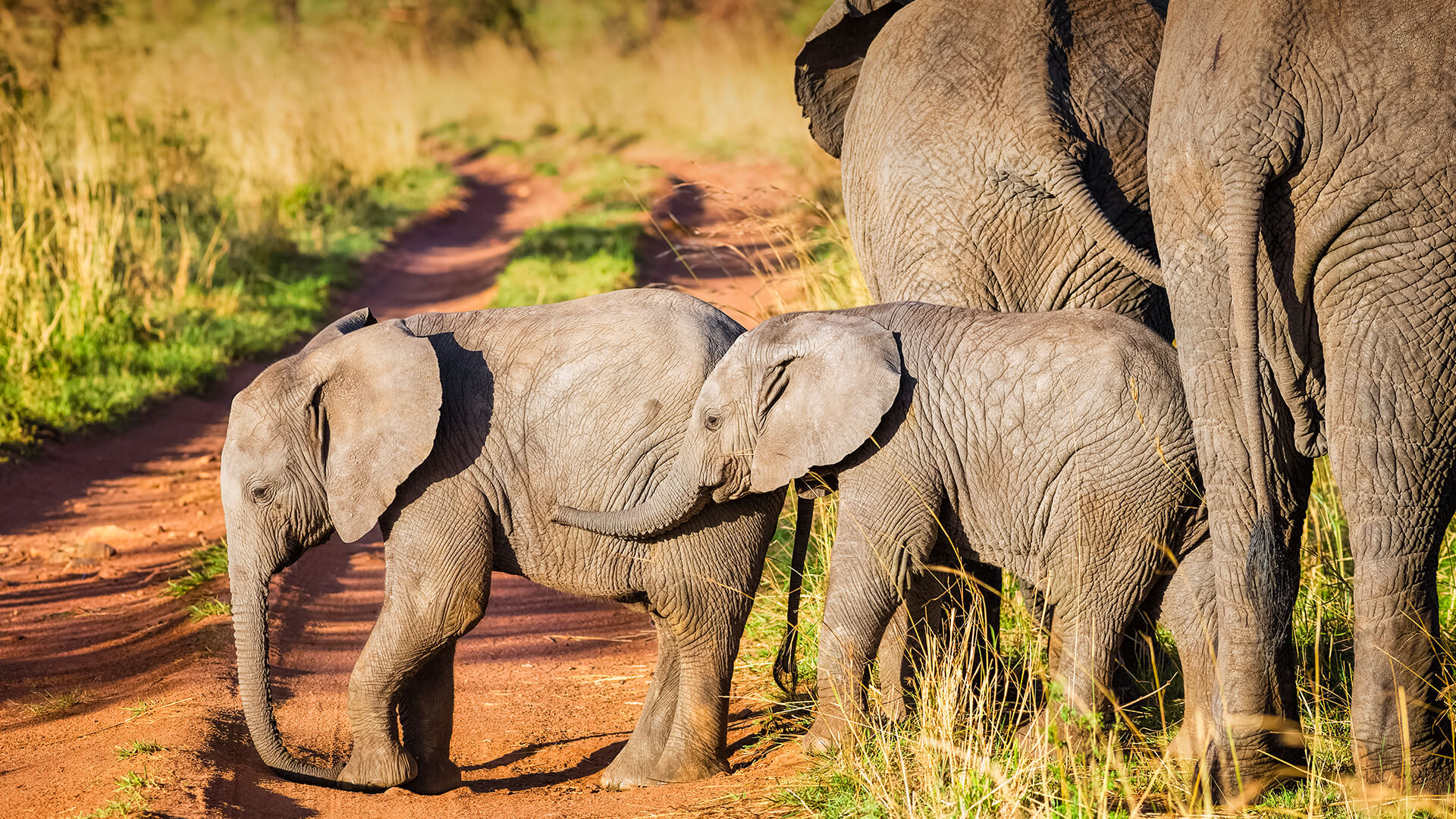
Other Mammals: Although harder to spot, Kibale hosts forest elephants, bush pigs, giant forest hogs, duikers, and buffaloes. Predators like leopards are present but elusive.
Birdlife: With over 375 recorded bird species, including the African pitta, green-breasted pitta, crowned eagle, and great blue turaco, Kibale is a birdwatcher’s paradise.
Butterflies and Amphibians: Over 250 butterfly species and several amphibians add to the forest’s vibrant ecosystem.
Attractions
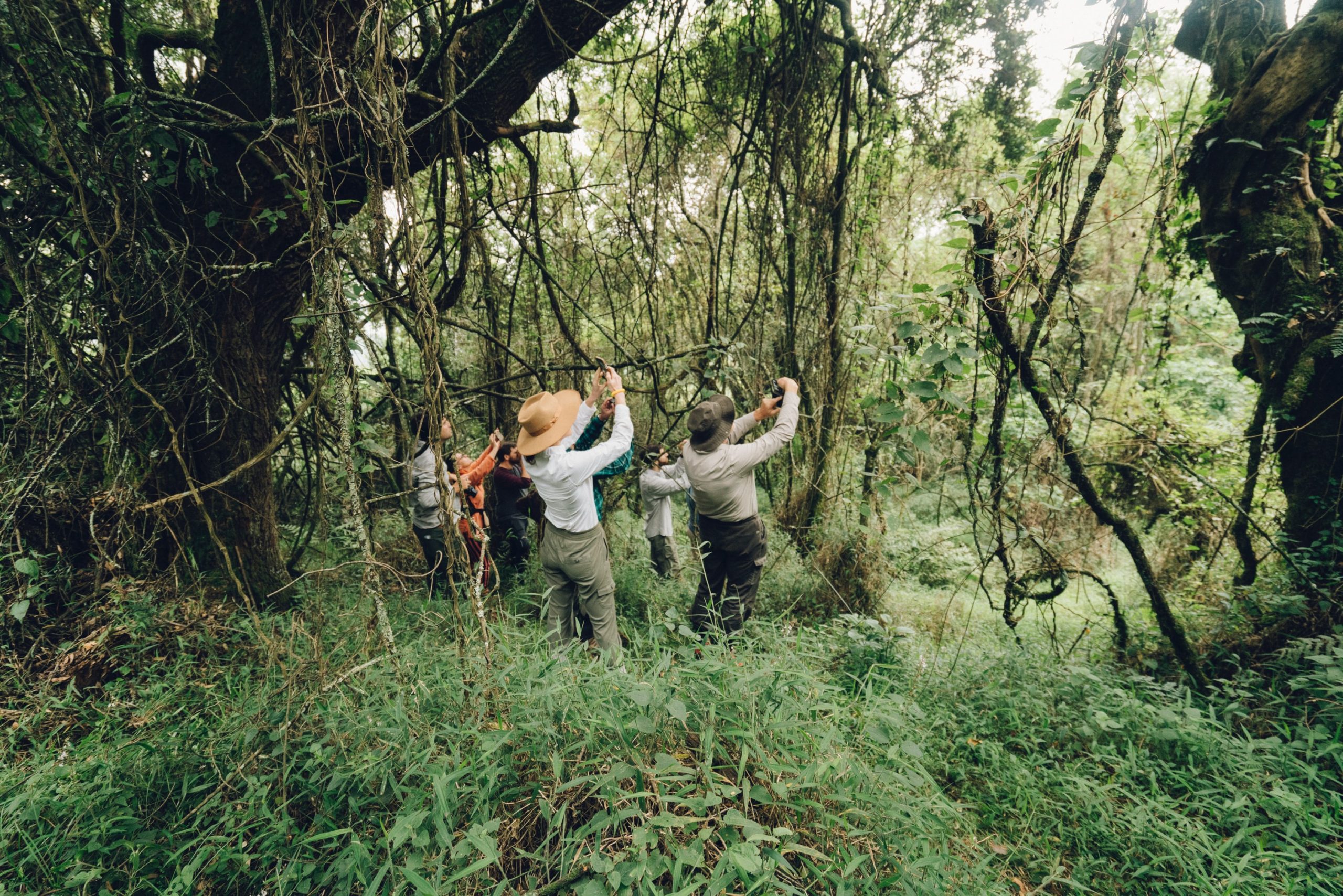
Chimpanzee Tracking: The main attraction is trekking into the forest to observe wild chimpanzees in their natural habitat.
Chimpanzee Habituation Experience: For a more immersive encounter, visitors can spend more time following a group undergoing habituation to human presence.
Bigodi Wetland Sanctuary: Just outside the park, this community-run reserve offers exceptional birding, primate sightings, and cultural encounters.
Crater Lakes: The nearby Ndali-Kasenda Crater Lakes region features scenic volcanic lakes ideal for hiking, canoeing, and photography.
Activities
Chimpanzee Tracking: Guided treks depart twice daily (morning and afternoon) to locate and observe chimpanzees up close.
Chimpanzee Habituation: A full-day experience where you join researchers and guides as they follow chimps through their daily activities.
Bird Watching: Specialized birding tours are available, targeting rare forest species and wetland birds.
Nature Walks: Explore the forest and its diverse flora and fauna on guided nature walks, including night walks to spot nocturnal creatures.
Cultural Tours: Visit the local communities around Kibale for cultural performances, coffee tours, and traditional experiences.
Accommodation
Luxury Lodges: For travelers seeking comfort and luxury, options include:
- Kyaninga Lodge
- Primate Lodge Kibale
- Ndali Lodge
Mid-Range Lodges: Great mid-range options include:
- Turaco Treetops
- Kibale Forest Camp
Budget Accommodation: Budget-friendly choices are available near the park, such as:
- Chimpanzee Forest Guest House
- Rweteera Safari Park
How to Get There
By Road: Kibale National Park is accessible by road from Kampala, a journey of about 5–6 hours (approximately 300 kilometers). The most common route is via Fort Portal town.
By Air: Domestic flights are available from Entebbe International Airport to Kasese Airstrip, followed by a 2-hour drive to the park.
Best Time to Visit
Dry Seasons (December to February and June to August): These are the best times for chimpanzee tracking and nature walks, as trails are drier and more manageable.
Wet Seasons (March to May and September to November): Although trekking can be more challenging, the forest is greener, and sightings are still rewarding.
Conservation and Challenges
Kibale faces conservation challenges, including human-wildlife conflict, deforestation, and habitat encroachment. Conservation initiatives by the Uganda Wildlife Authority (UWA) and local communities focus on habitat protection, eco-tourism, and research projects to ensure the park’s long-term survival.
Conclusion
Kibale National Park offers one of Africa’s premier primate-watching experiences, set against the backdrop of a rich and ancient rainforest. Whether you’re tracking chimps, birdwatching, or exploring crater lakes, a visit to Kibale immerses you in the magic of Uganda’s wild heart.