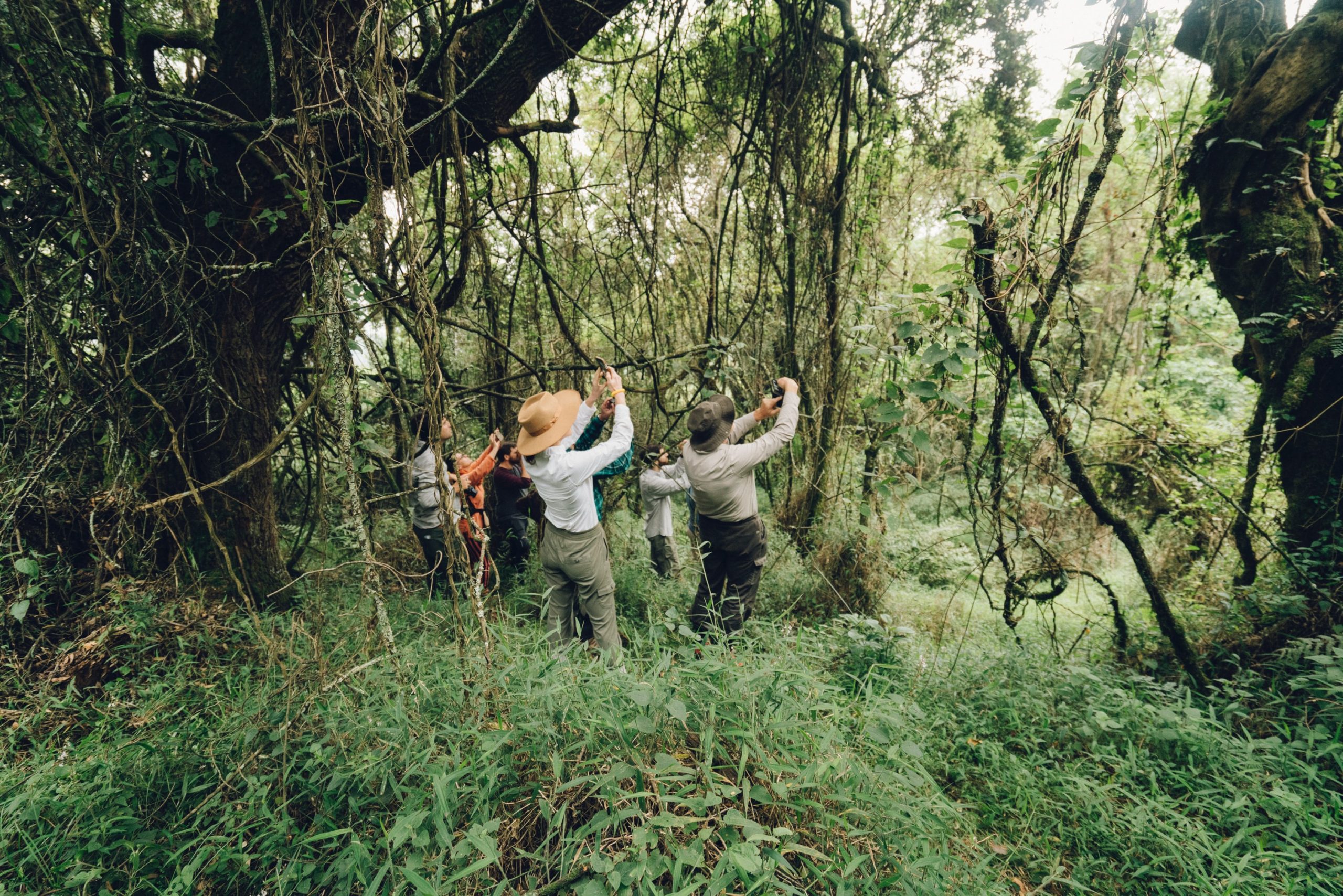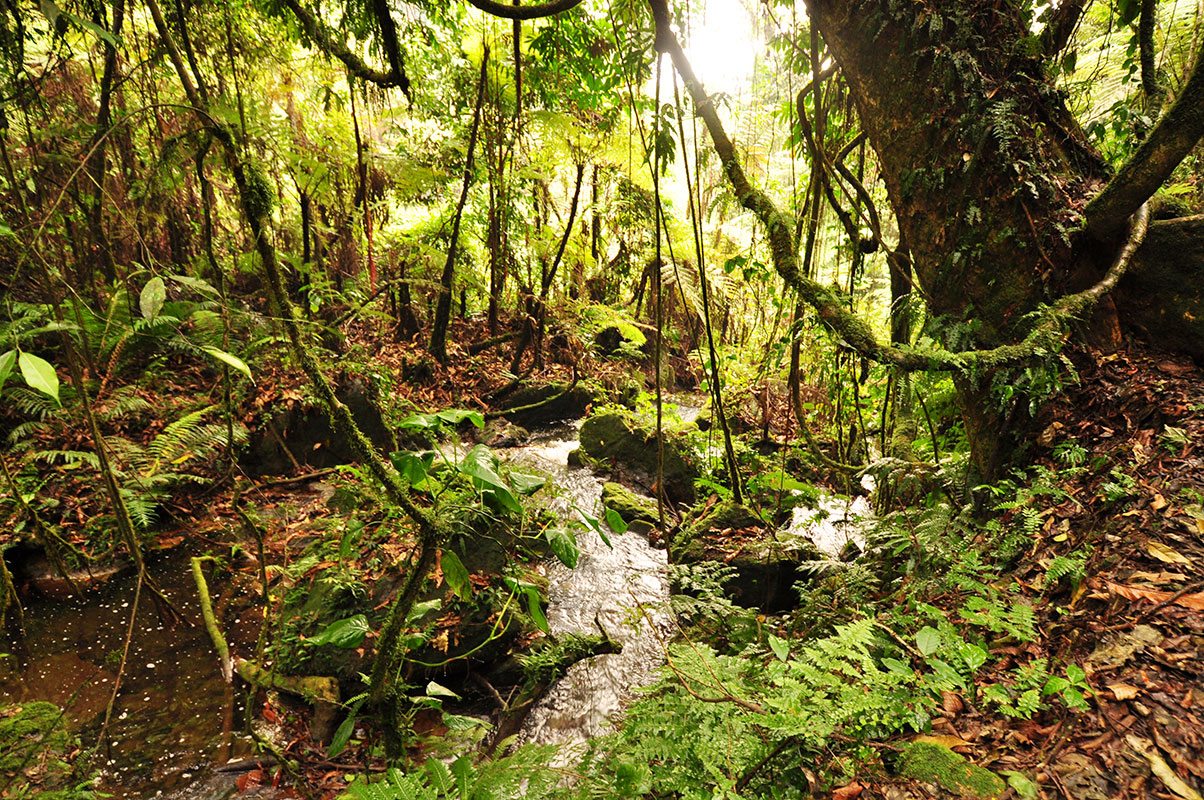
Bwindi Impenetrable National Park is one of Africa’s most extraordinary wildlife destinations, world-renowned for its population of endangered mountain gorillas. Nestled in Uganda’s southwestern highlands, this ancient rainforest offers one of the most unforgettable trekking experiences in the world. Here is everything you need to know about Bwindi Impenetrable National Park:
Location and Size
Location: Bwindi Impenetrable National Park is located in southwestern Uganda, near the borders with Rwanda and the Democratic Republic of Congo. It lies within the districts of Kanungu, Kabale, and Kisoro.
Size: The park covers approximately 321 square kilometers (124 square miles), and is part of the larger Bwindi Impenetrable Forest, which dates back over 25,000 years.
History and Establishment
Founded: Bwindi Impenetrable National Park was officially designated in 1991, primarily to protect the critically endangered mountain gorillas.
Historical Significance: Recognized as a UNESCO World Heritage Site in 1994, the park is celebrated for both its biological richness and its long-standing importance to local communities.
Landscape and Terrain
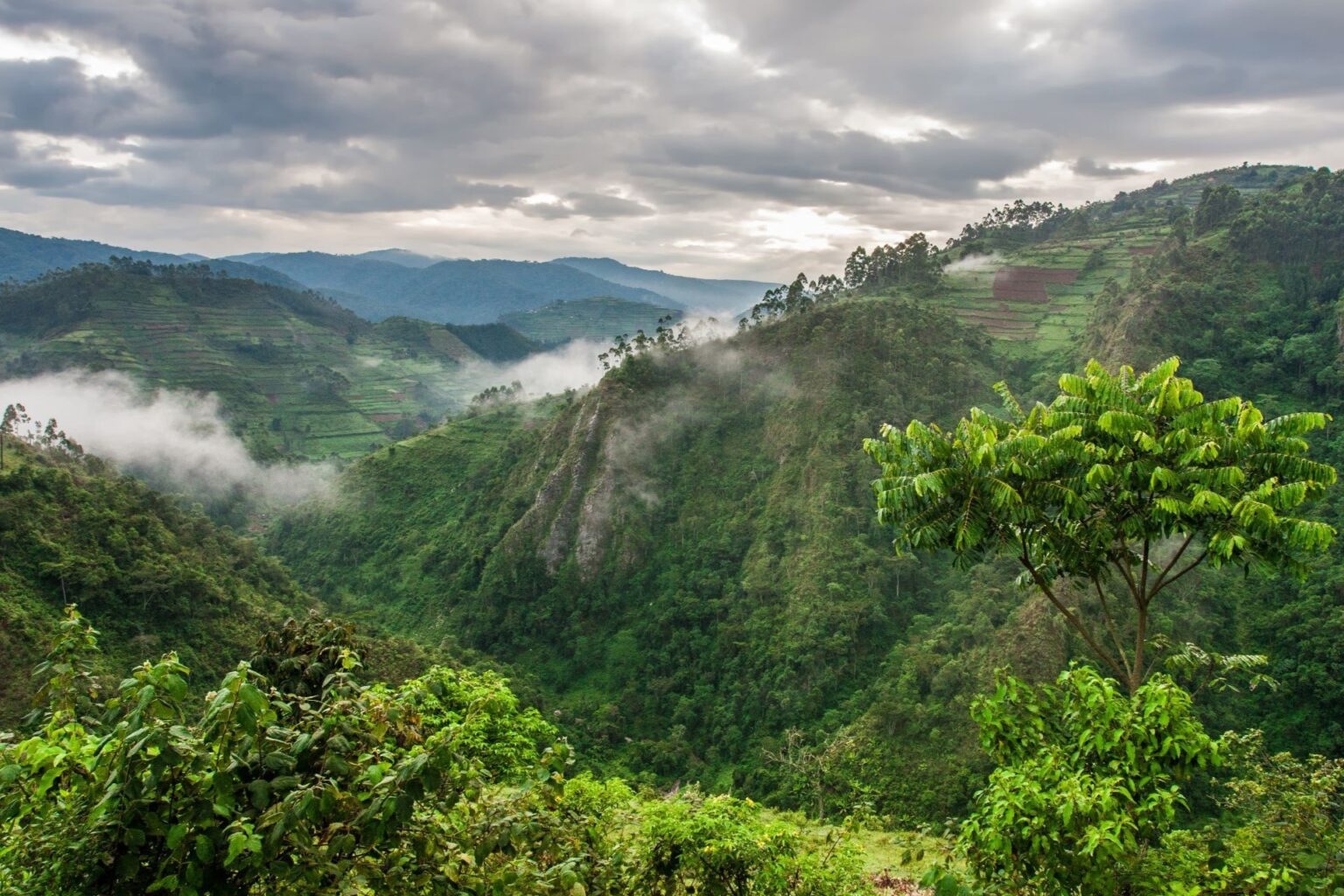
Topography: Bwindi is characterized by rugged, mist-covered hills, steep valleys, and thick, tangled rainforest.
Vegetation: It is one of Africa’s oldest and most biologically diverse rainforests, home to over 1,000 flowering plant species, ferns, and ancient trees.
Climate: Bwindi has a tropical rainforest climate, with frequent rainfall throughout the year, particularly from March to May and September to November. Temperatures are mild, generally ranging between 7°C (45°F) at night to 27°C (81°F) during the day.
Wildlife
Bwindi’s rich biodiversity extends beyond its famous gorillas, making it a true ecological treasure.
Mountain Gorillas: Bwindi is home to nearly half of the world’s remaining mountain gorilla population, with around 460 individuals.
Other Primates: The park also hosts other primates such as black-and-white colobus monkeys, L’Hoest’s monkeys, blue monkeys, and olive baboons.
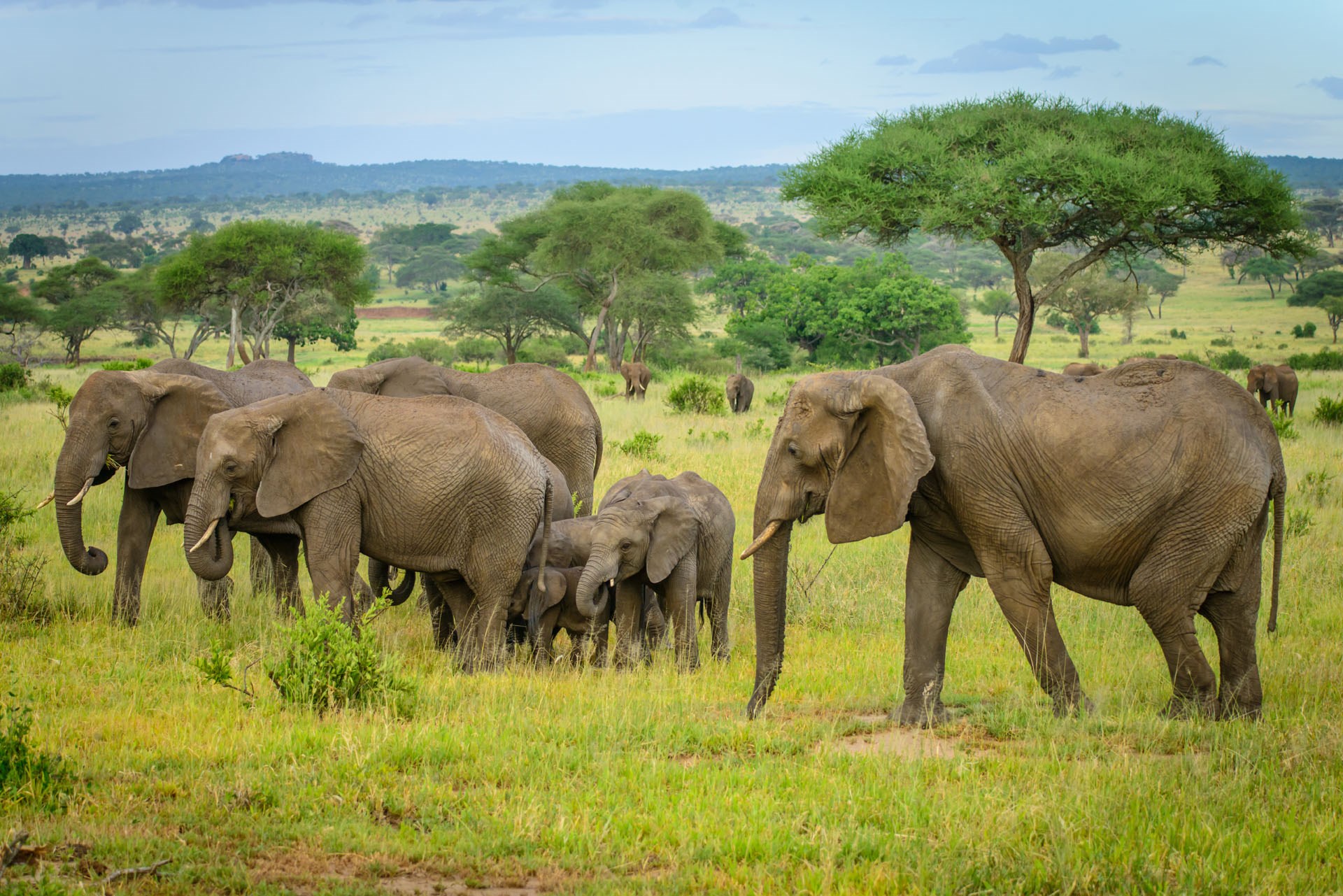
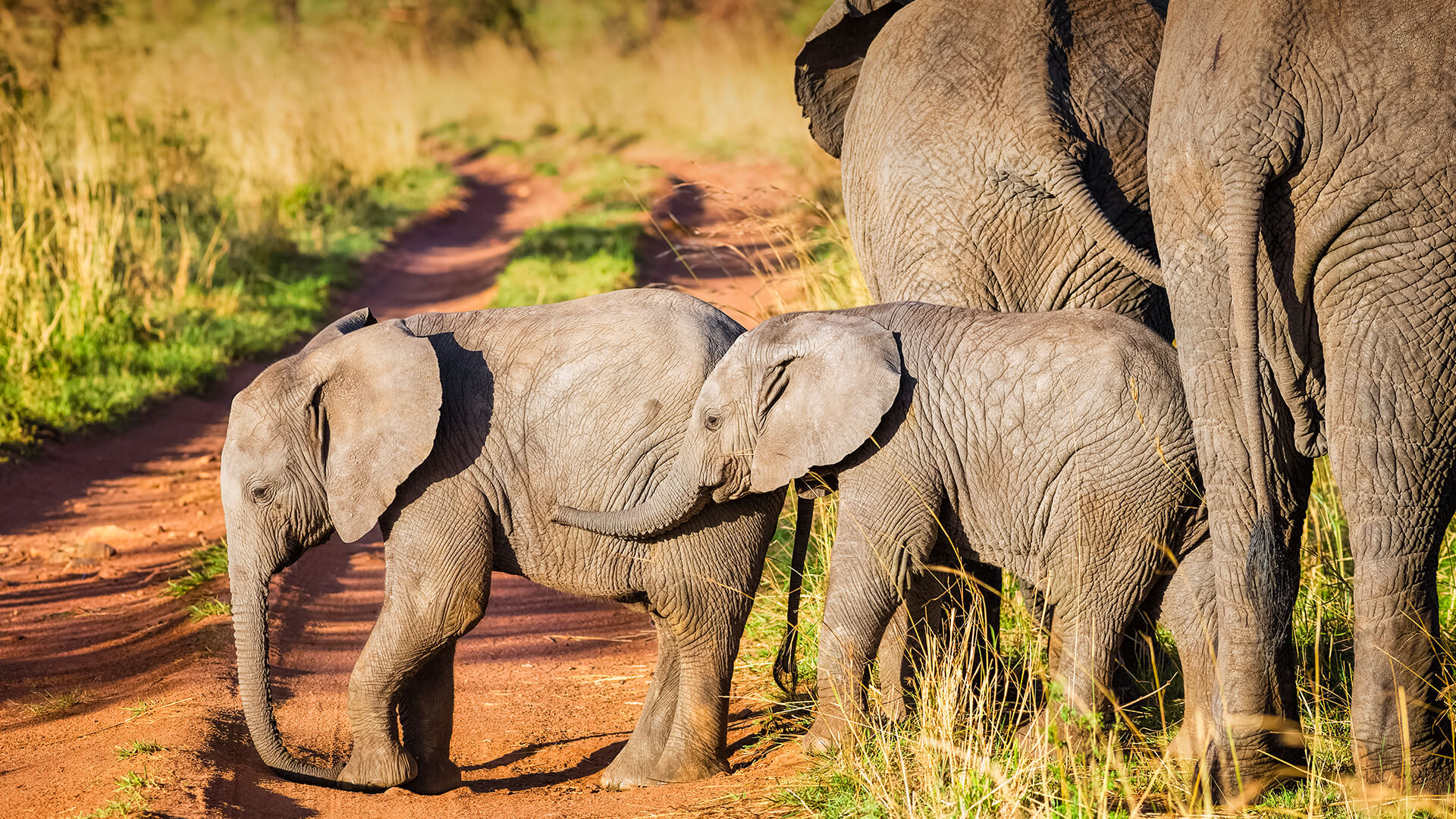
Other Wildlife: Bwindi is home to about 120 species of mammals, including forest elephants, bushbucks, duikers, and giant forest hogs.
Birdlife: Birdwatchers will find paradise here, with over 350 bird species recorded, including 23 species endemic to the Albertine Rift, like the African green broadbill and the handsome francolin.
Butterflies: Over 200 species of butterflies add vibrant color to the forest.
Attractions
Gorilla Trekking: The ultimate highlight of a visit to Bwindi. Trekking through dense forest to spend an hour with a mountain gorilla family is a life-changing experience.
Gorilla Habituation Experience: Spend up to four hours with a gorilla family undergoing habituation, offering deeper insight into their behavior and social dynamics.
Bird Watching: With rare and colorful species, Bwindi is one of Africa’s top birdwatching destinations.
Cultural Encounters: Learn about the traditions of the Batwa people, the indigenous forest dwellers, through community visits and storytelling experiences.
Hiking Trails: Bwindi offers several scenic trails through the forest, including the Munyaga Waterfall Trail, the Rushura Hill Trail, and the Buhoma-Nkuringo Trail.
Activities
Gorilla Tracking: Guided treks take small groups into the forest to find habituated gorilla families. Tracking can be challenging, but the reward is unforgettable.
Gorilla Habituation: A more immersive, longer experience with gorillas for those wanting deeper interaction.
Nature Walks: Explore the rich forest ecosystems, waterfalls, and lookouts over the Albertine Rift Valley.
Cultural Tours: Visit local communities to experience traditional dances, crafts, and forest survival skills of the Batwa pygmies.
Bird Watching: Specialized birding walks are available with expert guides.
Accommodation
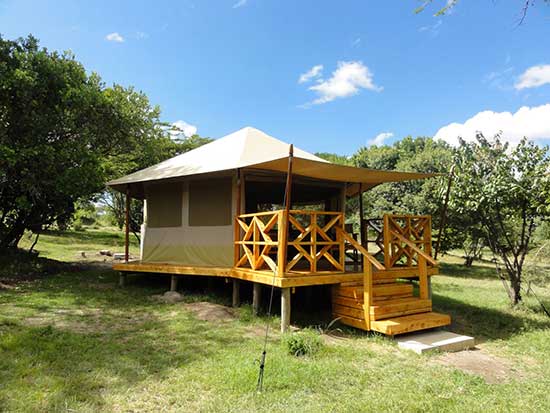
Luxury Lodges: High-end options provide comfort, incredible views, and easy access to trekking starting points:
- Bwindi Lodge
- Mahogany Springs Lodge
- Sanctuary Gorilla Forest Camp
Mid-Range Lodges: Excellent mid-range options include: - Buhoma Haven Lodge
- Ichumbi Gorilla Lodge
Budget Accommodation: There are numerous budget guesthouses and campsites, particularly around Buhoma and Rushaga sectors.
How to Get There
By Road: Bwindi is accessible by road from Kampala or Entebbe, a journey that typically takes 8–10 hours. Many travelers also combine Bwindi with Queen Elizabeth National Park or Lake Bunyonyi.
By Air: Scheduled domestic flights are available from Entebbe International Airport to Kihihi or Kisoro airstrips, followed by a short drive to the park.
Best Time to Visit
Dry Seasons (June to August and December to February): The best time for gorilla trekking, as trails are less muddy and gorilla sightings are more reliable.
Wet Seasons (March to May and September to November): Although trekking can be more challenging, the forest is lush and beautiful, and permits are often discounted during these months.
Conservation and Challenges
Bwindi faces ongoing challenges from habitat loss, human-wildlife conflict, and disease transmission. Significant conservation efforts, led by organizations like the Uganda Wildlife Authority (UWA) and international partners, focus on habitat protection, community involvement, and sustainable tourism to ensure the park’s future and the survival of the mountain gorillas.
Conclusion
Bwindi Impenetrable National Park offers a rare and awe-inspiring connection to one of nature’s most majestic creatures—the mountain gorilla. With its ancient forests, incredible biodiversity, and profound cultural heritage, a journey to Bwindi is more than a safari; it’s a pilgrimage into the heart of Africa’s wild beauty.